
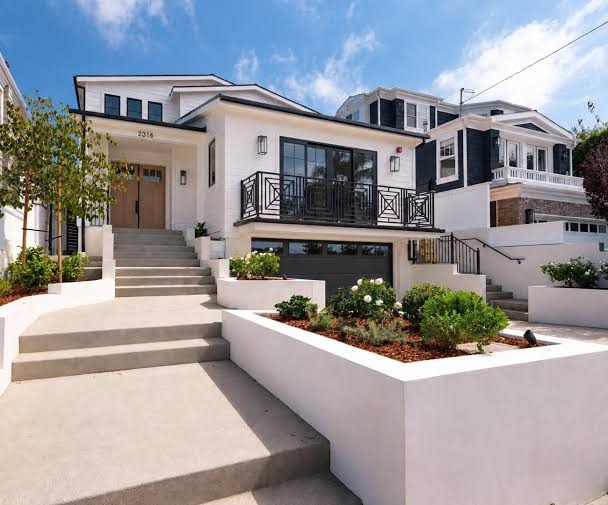
Buying your first home is exciting, but it can also feel overwhelming. Between mortgage terms, inspections, and endless listings, there is a lot to learn. Many first-time buyers eventually ask a big question: should I buy an older home or a brand-new one? For a growing number of people, the answer is new build homes.
New construction offers modern design, fresh materials, and the chance to skip many of the repairs that come with older properties. But it also comes with its own set of rules, costs, and decisions. This guide explains what first-time buyers need to know so you can move forward with confidence.
What Are New Build Homes?
New build homes are properties that have been newly constructed and have never been lived in. They can take several forms:
-
Move-in ready homes: Fully completed and available for immediate purchase
-
Under-construction homes: Still being built, with an expected completion date
-
To-be-built homes: Built from the ground up, often with some options for customization
-
Spec homes: Built by a builder without a specific buyer in mind, then listed for sale
Understanding which type fits your needs is the first step. Each comes with different timelines, price points, and levels of flexibility.
Why First-Time Buyers Choose New Build Homes
There are many reasons new construction appeals to people buying for the first time.
Lower Maintenance
Everything in a new home is brand new, including the roof, plumbing, electrical system, heating and cooling, and appliances. That means fewer unexpected repair bills in the early years, which is a major relief when you are adjusting to the costs of homeownership.
Modern Layouts and Features
Today’s new build homes are designed for how people live now. Open floor plans, large kitchens, walk-in closets, home offices, and plenty of natural light are common features. Many homes also include smart home technology.
Energy Efficiency
New homes must meet current building and energy codes, so they tend to be better insulated and more efficient than older houses. Efficient windows, modern HVAC systems, and LED lighting can help lower monthly utility bills.
Warranties
Most builders offer warranties that cover certain parts of the home for a set period. This added protection gives first-time buyers extra peace of mind.
Customization Options
If you buy early in the building process, you may be able to choose finishes like flooring, cabinets, countertops, and paint colors. That lets you create a home that feels like yours from day one.
The Potential Downsides to Consider
New construction is not perfect for everyone. It helps to weigh the tradeoffs.
-
Higher price: New homes can cost more than comparable older homes.
-
Smaller lots: Some new developments have less yard space.
-
Construction delays: Weather, supply shortages, or permit issues can push back your move-in date.
-
Extra costs: Upgrades, landscaping, window coverings, and fencing may not be included.
-
Developing neighborhoods: If you buy in a new community, you may deal with construction noise for a while.
Being aware of these factors helps you plan realistically and avoid surprises.
Know Your Budget Before You Start
Before you tour a single model home, get a clear picture of your finances. Consider:
-
Your income, savings, and monthly expenses
-
Your credit score and debt
-
The down payment you can afford
-
Closing costs and moving expenses
-
Property taxes and homeowners insurance
-
Possible HOA fees
Getting pre-approved for a mortgage is one of the smartest early steps. It shows you how much you can borrow and signals to builders that you are a serious buyer.
Understand the Financing Options
First-time buyers have several loan options, and some are especially helpful for new construction. These can include conventional loans, FHA loans, VA loans for eligible veterans, and various first-time buyer assistance programs.
Some builders also offer incentives, such as help with closing costs or reduced interest rates when you use their preferred lender. These offers can be valuable, but compare them carefully with outside lenders to make sure you are getting a good deal.
Because programs and rates change, speak with a trusted mortgage professional to find the best fit for your situation.
Do Your Homework on the Builder
The quality of your home depends heavily on who builds it. Before committing, research the builder thoroughly:
-
Look at completed projects and visit them if possible
-
Read reviews and ask for references
-
Check licenses and any history of complaints
-
Ask how long the company has been in business
-
Review their warranty terms in detail
A reputable builder will be open about their process and happy to answer your questions.
Get an Independent Inspection
Many first-time buyers assume a brand-new home does not need an inspection. That is a mistake. Even new build homes can have construction errors, such as faulty wiring, plumbing leaks, or poor insulation.
Hire an independent inspector, not one recommended by the builder. Ideally, schedule inspections at key stages, such as before drywall goes up and again before closing. Catching problems early means the builder can fix them before you move in.
Read the Contract Carefully
New construction contracts can be long and detailed. Make sure you understand:
-
The total price and what is included
-
The deposit amount and when it is due
-
The estimated completion date and what happens if there are delays
-
Which upgrades and finishes are standard
-
Warranty coverage and how to submit claims
-
What happens if you cannot close for any reason
Consider having a real estate attorney review the contract before you sign.
Ask Smart Questions
Come prepared with questions for the builder or sales team:
-
What is included in the base price?
-
Which upgrades cost extra?
-
What is the expected completion date?
-
What warranties are offered?
-
Are there HOA fees or special assessments?
-
What are the property tax estimates?
-
Who handles repairs after closing?
The more you ask, the fewer surprises you will have.
Plan for the Final Walkthrough
Before closing, you will typically do a final walkthrough, sometimes called a punch list inspection. Walk through every room and look for issues like paint flaws, scratches, loose fixtures, or malfunctioning appliances. Write down everything you find and make sure the builder agrees to correct it.
Take your time. It is much easier to get problems fixed before you close than after.
Where Reeland Investments Fits In
Navigating the market as a first-time buyer is easier when you have knowledgeable guidance. Reeland Investments helps buyers and investors understand the local market, explore opportunities in desirable Southern California communities, and ask the right questions before making a commitment. If you are exploring new build homes for the first time, working with a team like Reeland Investments can help you compare options, avoid common pitfalls, and feel more confident about your decision.
Common Mistakes First-Time Buyers Should Avoid
-
Skipping the independent inspection
-
Not getting pre-approved before shopping
-
Ignoring the cost of upgrades
-
Failing to research the builder
-
Overlooking HOA fees and property taxes
-
Signing a contract without fully understanding it
-
Letting excitement override financial limits
Frequently Asked Questions (FAQs)
1. Are new build homes a good choice for first-time buyers?
For many first-time buyers, yes. New build homes offer lower maintenance, modern features, energy efficiency, and warranties. However, they may cost more upfront, so it is important to compare your options.
2. Do I need a real estate agent to buy new build homes?
It is not required, but having your own representation can help protect your interests. The sales staff at a new development works for the builder, not for you.
3. Should I inspect a brand-new home?
Yes. An independent inspection can catch construction errors that might otherwise go unnoticed, and the builder can fix them before you close.
4. How long does it take to build a new home?
Timelines vary based on the size of the home, permits, weather, and supply availability. Many homes take several months to a year or more. Move-in ready homes are a faster option.
5. Can I negotiate the price of new build homes?
Sometimes. Builders may be more willing to offer incentives, such as upgrades or help with closing costs, than to lower the listed price. It never hurts to ask.
6. What does a builder warranty usually cover?
Coverage varies, but many warranties include workmanship, systems, and major structural elements for different time periods. Always review the details in writing.
Final Thoughts
Buying one of the many new build homes on the market can be a smart way to start your homeownership journey. You get modern design, efficiency, and peace of mind, along with the chance to personalize your space. But success depends on preparation. Know your budget, research your builder, inspect the home, and read every document carefully.
With patience, good questions, and the right guidance from a trusted team like Reeland Investments, you can step into your first home with confidence and enjoy everything a new build has to offer.